

Facing the Uncomfortable Truth: The Danger of Denying Mental Health Warning Signs
By Ailya Hammad
Weeds360/ Health and Wellness / Facing the Uncomfortable Truth: The Danger of Denying Mental Health Warning Signs
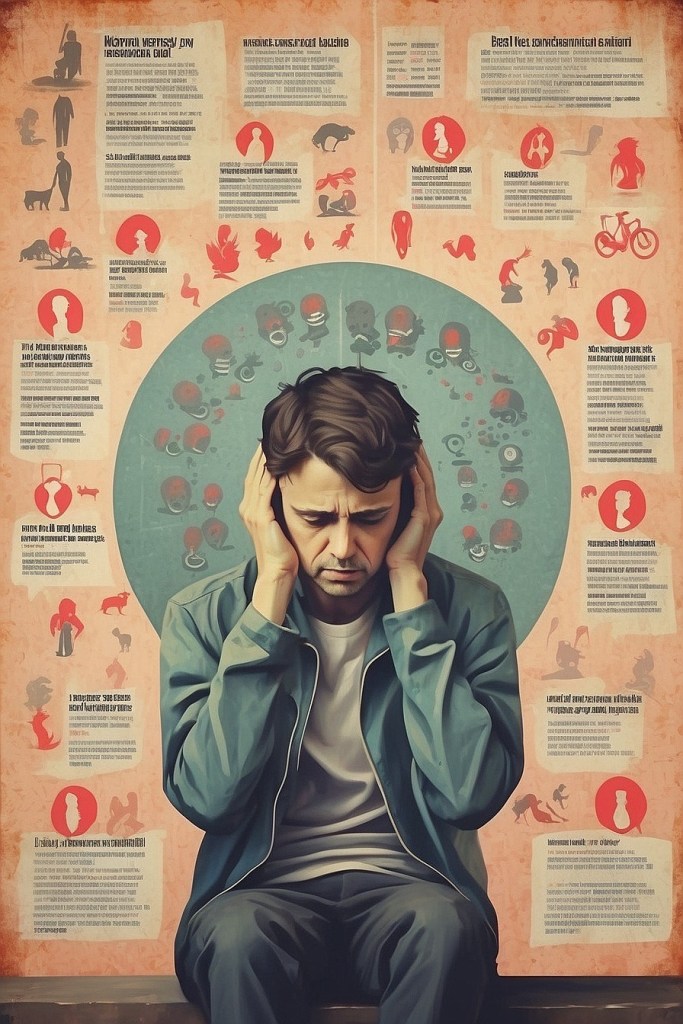

In today’s fast-paced world, where productivity is praised and vulnerabilities are often stigmatized, it’s all too easy to overlook the warning signs of mental health issues. Denial becomes a comfortable refuge for many, shielding them from the discomfort of acknowledging their struggles. However, denying these warning signs can have severe consequences, impacting not only individuals but also those around them.
One of the most common reasons people slip into denial about their mental health is fear. Fear of judgment, fear of being labeled as “crazy,” or fear of the unknown can all drive individuals to ignore the signs that something may be wrong. Society’s misconceptions and stigma surrounding mental illness only exacerbate these fears, leading people to believe that seeking help is a sign of weakness rather than strength.
Another factor contributing to denial is the misconception that mental health issues are a sign of personal failure or weakness. This harmful belief can prevent individuals from acknowledging their struggles, as they may see seeking help as an admission of defeat. Instead of recognizing that mental health is a natural part of the human experience and seeking support is a courageous step towards healing, they choose to bury their emotions and soldier on.
Furthermore, denial can also stem from a lack of awareness or understanding of mental health disorders. Many people may not recognize the symptoms of conditions such as depression, anxiety, or PTSD, especially if they have been socialized to dismiss their feelings or tough it out on their own. Without the knowledge or language to articulate their experiences, individuals may brush off their symptoms as just “feeling down” or “stressed,” further delaying the possibility of getting help.
Unfortunately, the consequences of denying mental health warning signs can be devastating. Untreated mental health issues can escalate, leading to worsening symptoms, impaired functioning in daily life, and even suicidal thoughts or behaviors. Moreover, denial can strain relationships, as loved ones may feel helpless or frustrated by their inability to support someone who refuses to acknowledge their struggles.
So, what can be done to combat denial and encourage individuals to confront their mental health issues? Education and destigmatization are crucial first steps. By fostering open conversations about mental health, challenging stereotypes, and providing accurate information, we can empower people to recognize and address their struggles without shame or judgment.
Additionally, creating safe spaces for individuals to seek support, whether through therapy, support groups, or peer counseling, can make a significant difference. Normalizing help-seeking behavior and emphasizing the importance of self-care and emotional well-being can help break down barriers to seeking help.
Ultimately, overcoming denial about mental health warning signs requires courage, compassion, and support. If you or someone you know is experiencing several of these symptoms, it may be useful to seek help from a mental health professional. It’s important to remember that each individual’s situation is unique, and treatment should be tailored to their specific needs. By taking proactive steps to address mental health concerns, we can work towards building a society where seeking help is seen as a sign of strength rather than weakness.
 Weeds Counseling and Talent Management